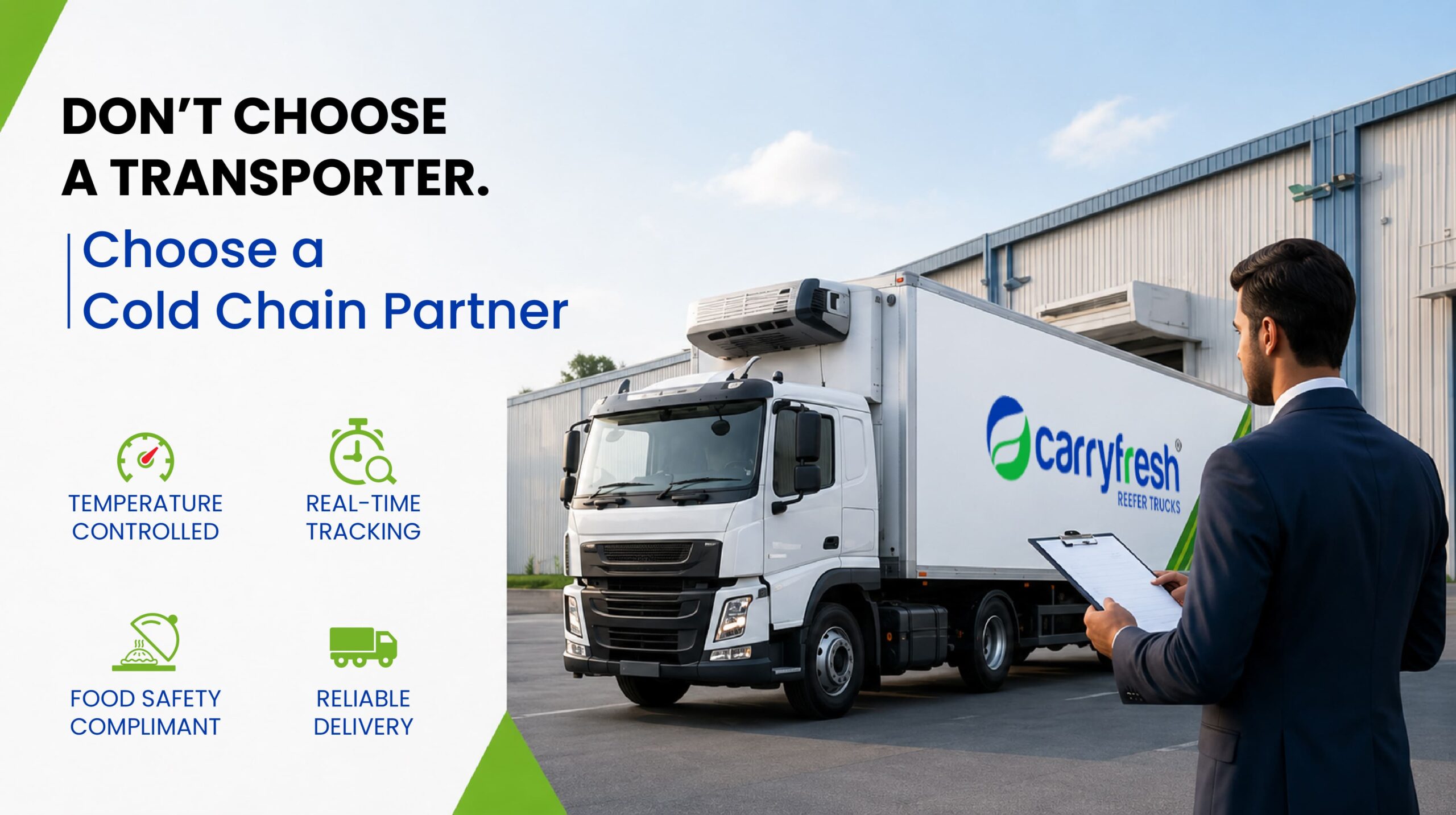
Whether you’re transporting dairy products, frozen foods, fresh produce, pharmaceuticals, seafood, or other temperature-sensitive goods, your logistics partner plays a vital role in protecting product quality, maintaining freshness, and ensuring timely deliveries.
Choosing the right refrigerated logistics provider isn’t just about moving products from one location to another. It’s about safeguarding your products, reducing losses, meeting customer expectations, and protecting your brand reputation.
Before selecting a logistics partner, here are ten important questions every business should ask.
1. Can They Keep Your Products Fresh Throughout the Journey?
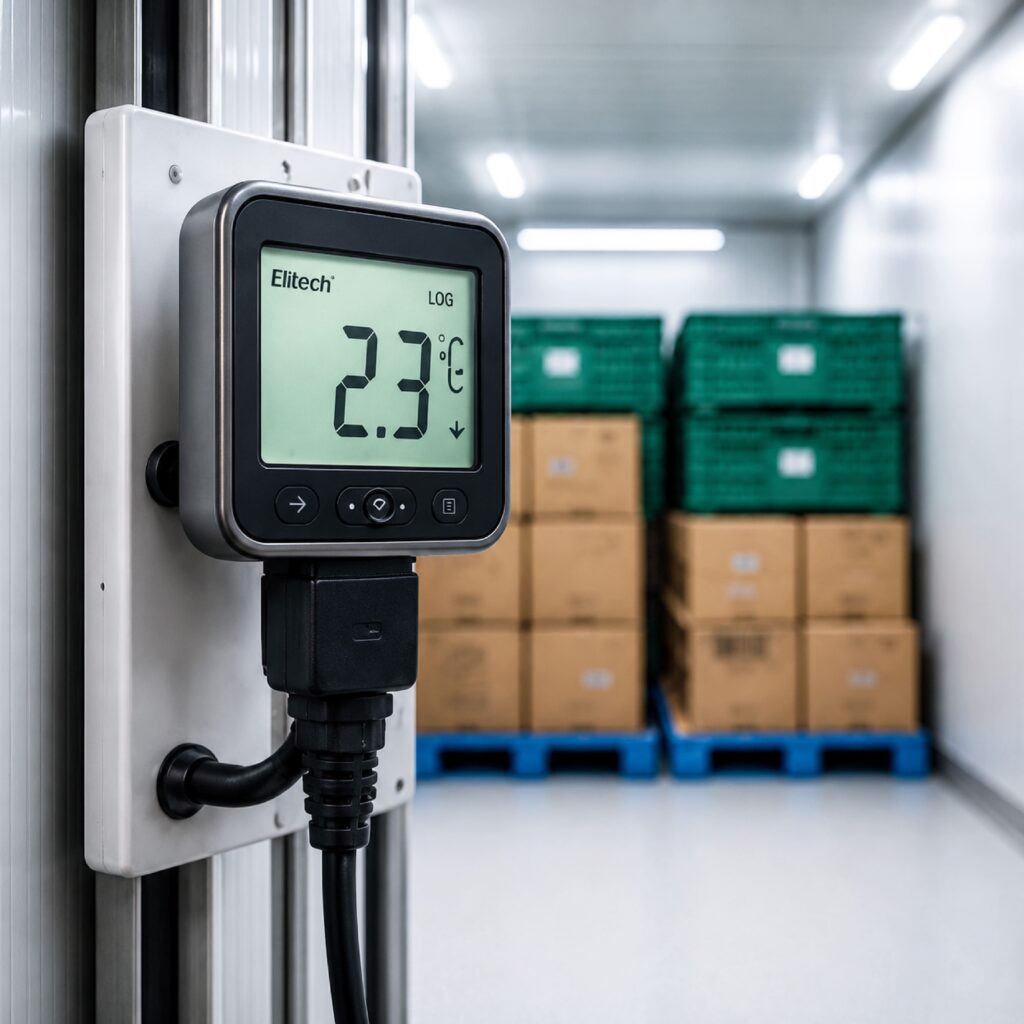
Freshness depends on maintaining the right temperature from pickup to delivery. Even minor temperature fluctuations can affect product quality, reduce shelf life, and increase the risk of spoilage.
Ask how the logistics provider monitors temperature during transit and what systems are in place to ensure uninterrupted refrigeration throughout the journey. A reliable transportation partner should have processes that consistently protect temperature-sensitive products.
2. Do They Have Experience Handling Products Like Yours?
Different products require different transportation conditions.
Fresh fruits and vegetables need proper airflow and controlled temperatures. Frozen foods require consistent sub-zero conditions. Dairy products demand uninterrupted refrigeration, while pharmaceutical shipments often require strict temperature compliance.
Choosing a logistics provider with industry-specific experience ensures your products are transported according to their unique requirements.
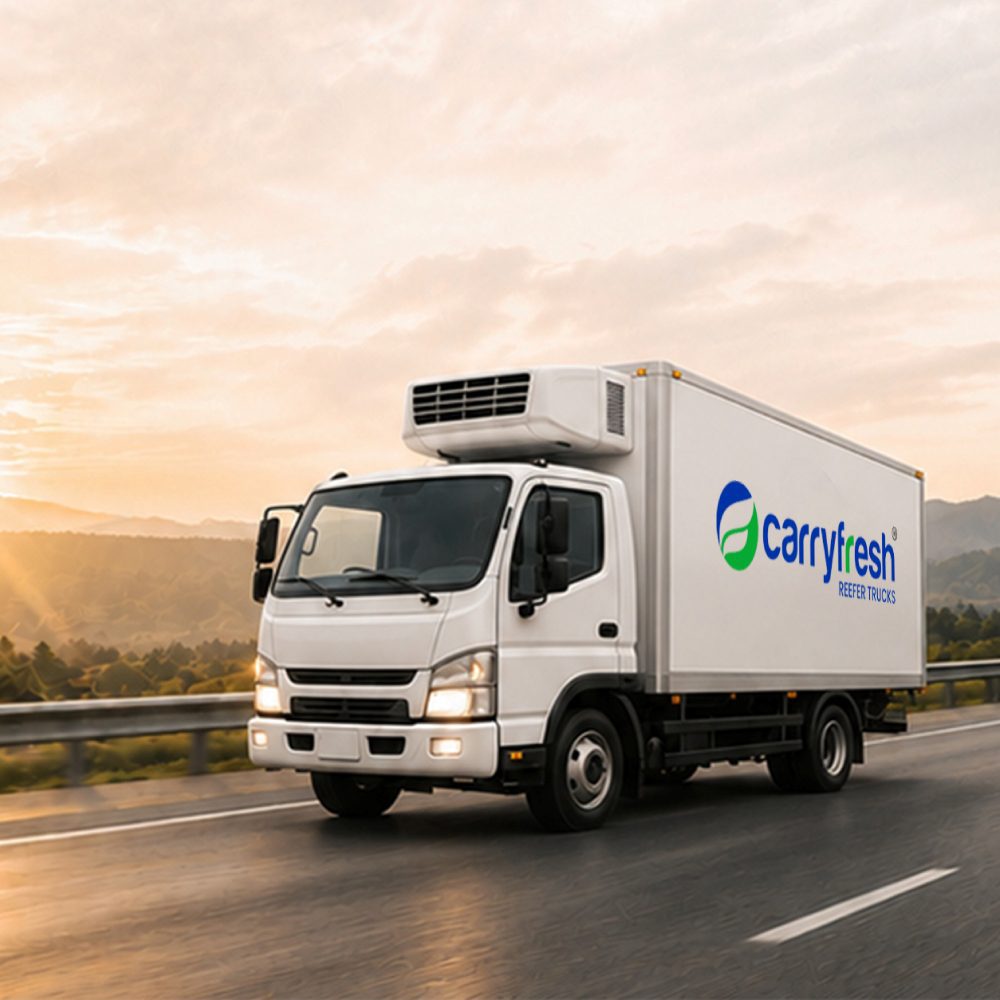
3. How Reliable Is Their Reefer Fleet?
Not every refrigerated vehicle is suitable for every shipment.
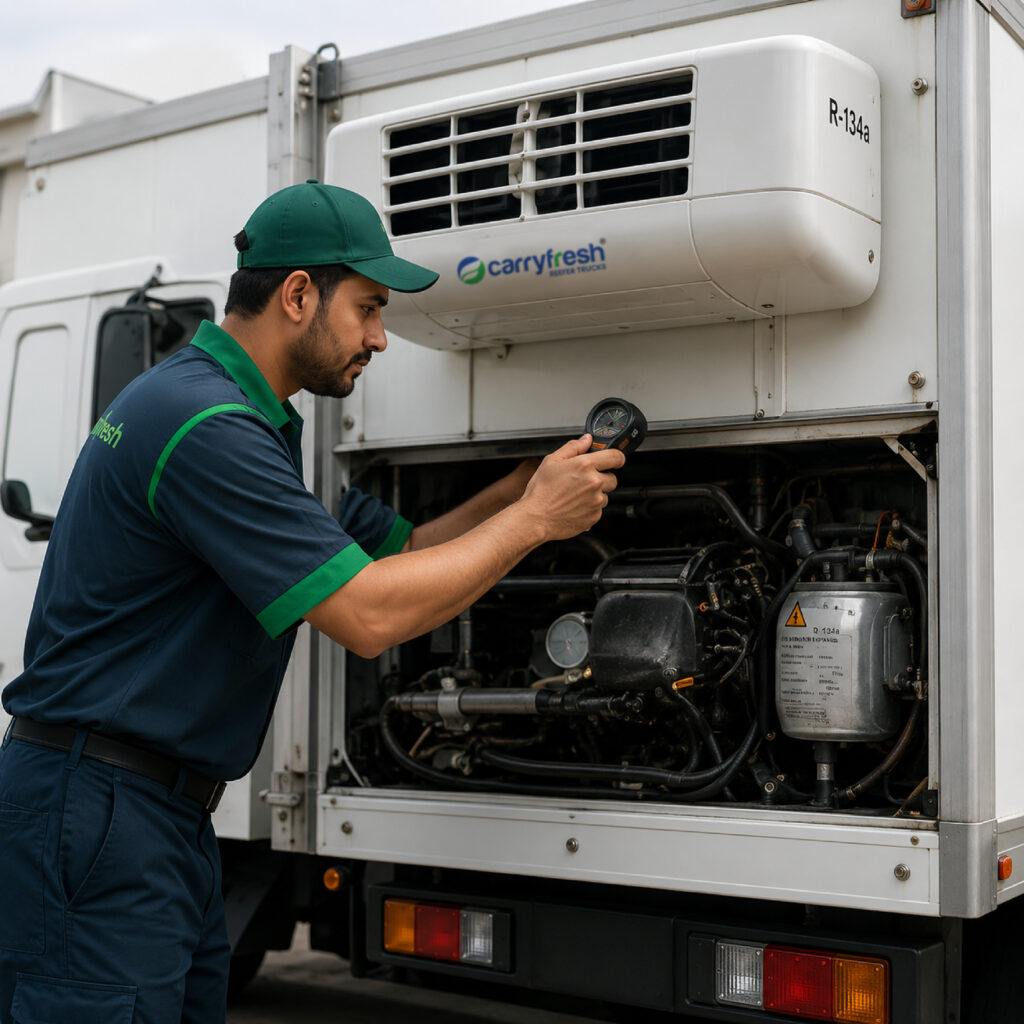
A dependable refrigerated transport provider should operate a modern, well-maintained reefer fleet capable of transporting dairy products, frozen foods, seafood, fresh produce, pharmaceuticals, and FMCG goods safely and efficiently.
Regular maintenance, dependable refrigeration units, and vehicle reliability all contribute to protecting product quality throughout transportation.
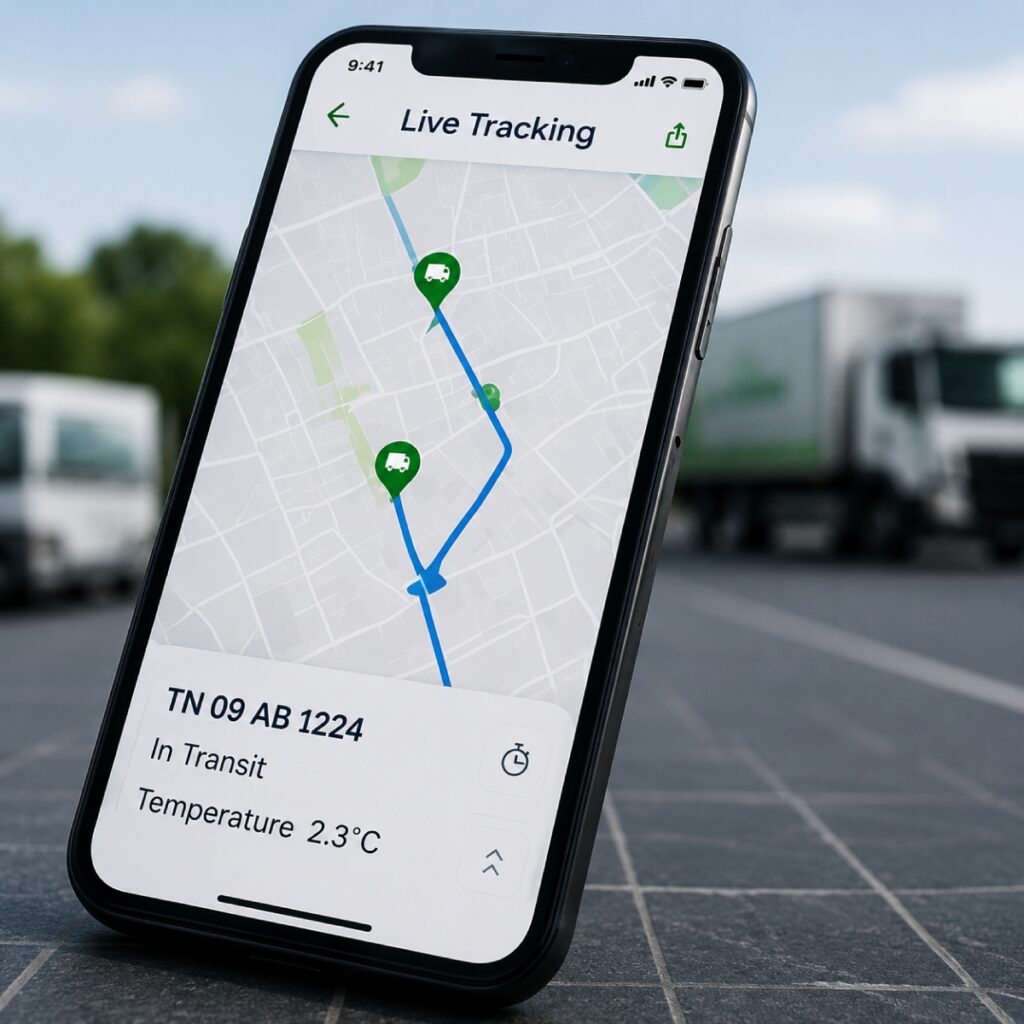
4. Can You Track Your Shipment in Real Time?
Visibility is an important part of modern refrigerated transportation.
Real-time GPS tracking allows businesses to monitor shipment locations, receive accurate delivery updates, improve planning, and respond quickly if unexpected delays occur.
A logistics provider that offers shipment visibility builds greater transparency and confidence throughout the delivery process.
5. Do They Deliver on Time Consistently?
For temperature-sensitive products, timely delivery is just as important as temperature control.
Delivery delays can impact product quality, disrupt supply chains, and affect customer satisfaction.
Ask how the logistics provider manages route planning, delivery schedules, and operational efficiency to ensure products reach their destination within the required time frame.
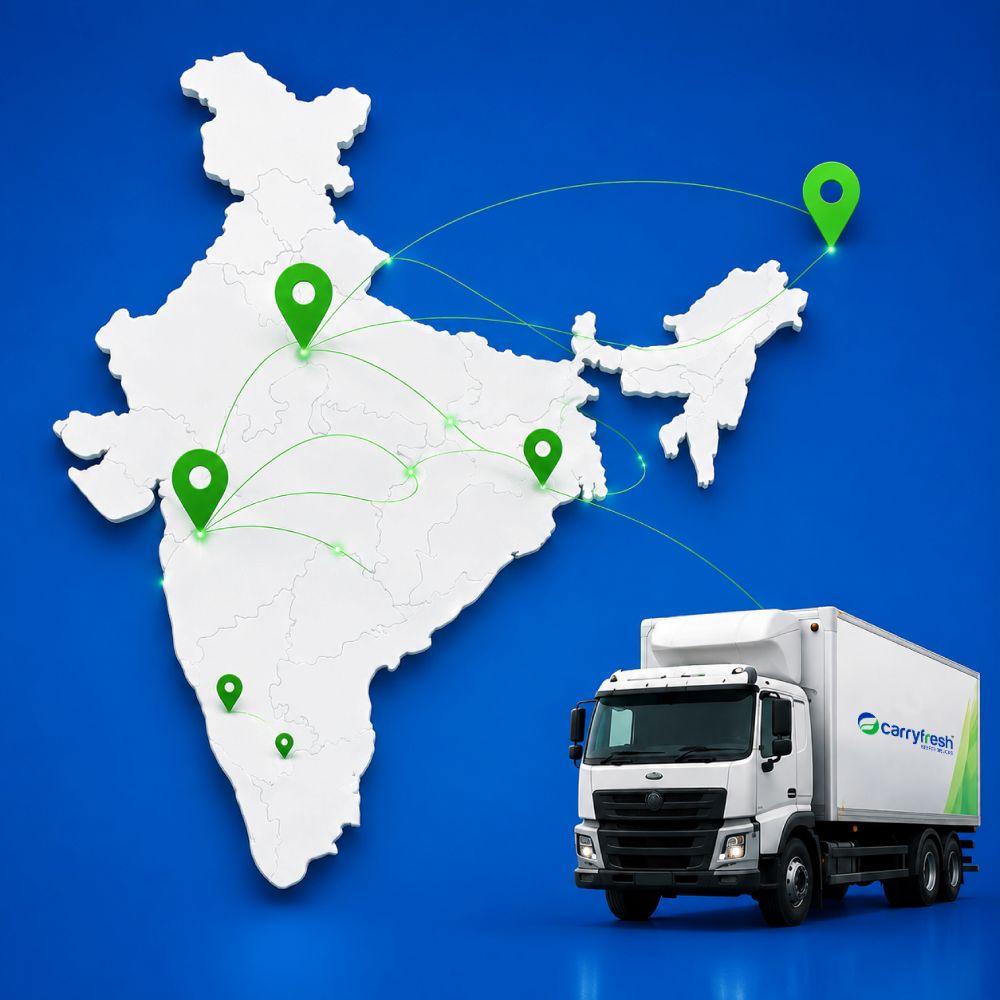
6. Do They Follow Food Safety and Industry Standards?
Businesses transporting food, dairy, seafood, and pharmaceutical products should choose logistics providers that follow recognized quality and safety standards.
Proper vehicle hygiene, sanitation procedures, regular inspections, and compliance with industry regulations help maintain product integrity throughout transportation while reducing operational risks.

7. What Happens During Vehicle Breakdowns or Unexpected Situations?
Unexpected situations can occur during transportation, but a dependable logistics provider should always have a contingency plan.
Ask about backup vehicles, emergency response procedures, driver support, and operational protocols designed to minimize delivery disruptions while protecting product quality.
Preparedness reflects the reliability of a logistics provider.
8. Is Customer Support Responsive and Reliable?
Effective communication becomes especially important when transporting temperature-sensitive goods.
Choose a logistics provider that offers responsive customer support, regular shipment updates, and a dedicated point of contact to quickly resolve operational queries and ensure smooth coordination from pickup to delivery.

9. Do They Cover the Locations Your Business Needs?
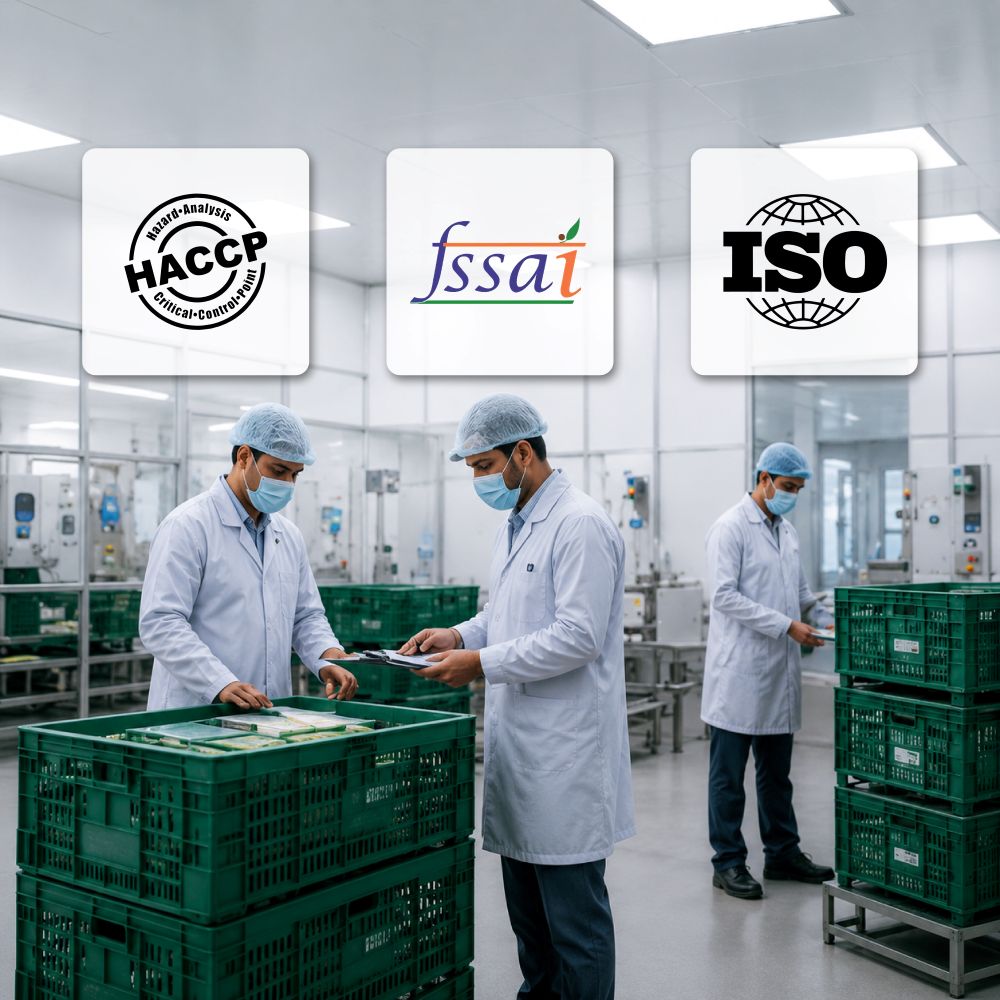
As your business expands, your logistics requirements may grow across multiple cities or regions.
Evaluate whether the logistics provider has the operational capability and service network to support both your current transportation needs and future expansion plans.
A wider service network simplifies logistics management and improves overall delivery efficiency.
10. Can They Scale with Your Business?
Your logistics requirements today may not be the same tomorrow.
As order volumes increase, seasonal demand changes, or new markets are added, your logistics partner should be able to provide additional vehicles, increased transportation capacity, and operational flexibility without compromising service quality.
Choosing a logistics provider that can grow alongside your business supports long-term success and reduces the need to frequently change transportation partners.
Quick Checklist Before Choosing a Logistics Partner
Before making your decision, ensure your logistics provider offers:
- Consistent temperature monitoring throughout transportation.
- Experience handling temperature-sensitive products.
- A modern and well-maintained reefer fleet.
- Real-time GPS tracking and shipment visibility.
- Reliable on-time deliveries.
- Food safety and industry compliance.
- Emergency response and backup support.
- Responsive customer service.
- Strong operational coverage across your business locations.
- The ability to scale with your growing transportation needs.
Why Choosing the Right Logistics Partner Matters
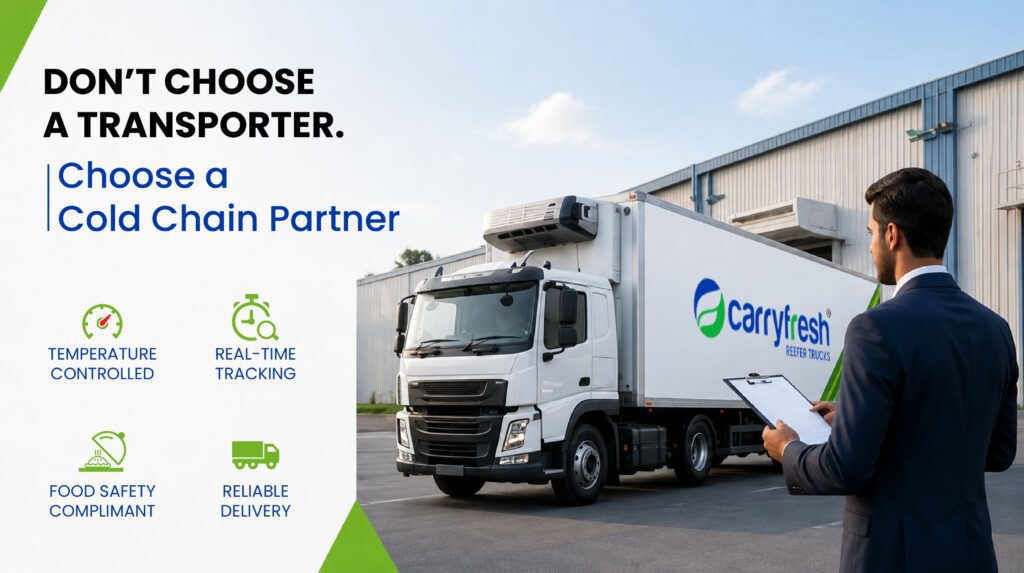
Choosing the right refrigerated logistics partner means protecting freshness, reducing product loss, and ensuring reliable deliveries. At Carryfresh, our modern reefer fleet and temperature-controlled solutions deliver your products safely and efficiently across South India—freshness you can trust, every mile of the way.


 Carryfresh Support